
Master the Art of Diabetes-Friendly Cooking
Discover comprehensive strategies and practical techniques for preparing delicious meals that support stable blood sugar levels. Learn from nutrition experts and experienced culinary professionals.
The information on this site is for educational purposes only and does not constitute medical advice. Always consult a qualified healthcare professional before making health decisions.
Core Features of Our Program
Ingredient Selection Mastery
Learn to identify, select, and prepare ingredients that maintain optimal blood sugar balance. Our guides cover macronutrient ratios, fiber content, and glycemic impact of everyday foods. Understand portion control and food combinations that work synergistically for your culinary creations.
Weekly Meal Plan Templates
Access ready-to-use meal planning templates designed for consistent, balanced nutrition throughout the week. Each template includes breakfast, lunch, dinner, and snack options with detailed ingredient lists and preparation instructions. Adapt plans to your preferences and household needs effortlessly.
Cooking Technique Guides
Master essential cooking methods that preserve nutritional value while enhancing flavor. Explore steaming, roasting, sautéing, and poaching techniques that minimize added fats and sugars. Learn how different preparation methods affect nutrient availability and satiety.
Progress Tracking Resources
Develop personal tracking systems to monitor how specific meals and recipes affect your wellbeing. Use food journaling templates and reflection guides to identify patterns and optimize your meal choices. Record energy levels, satisfaction, and how different foods make you feel.
Community and Expert Insights
Connect with other learners exploring diabetes-friendly cooking through our editorial community sections. Access articles and perspectives from nutrition experts, culinary professionals, and experienced home cooks. Discover real approaches to everyday meal preparation challenges.
Recipe Innovation Framework
Learn systematic approaches to adapting favorite family recipes and restaurant dishes. Understand substitution principles, ingredient modifications, and cooking adjustments that maintain delicious results. Develop confidence in creating your own diabetes-friendly variations.
Understanding Blood Sugar-Friendly Meal Planning
Blood sugar stability depends on understanding how different foods and meal combinations affect your energy and wellbeing. Rather than restrictive approaches, our educational resources focus on building knowledge about nutrient density, food pairing strategies, and portion awareness. This knowledge empowers you to make informed decisions about what you prepare and consume daily.
The science of nutrition shows that meals containing balanced protein, healthy fats, and complex carbohydrates with adequate fiber tend to produce more gradual, stable energy levels throughout the day. By understanding these principles, you can plan meals that taste excellent while supporting consistent wellbeing.
Our program emphasizes practical, sustainable approaches rather than short-term restrictions. Learn to prepare meals that satisfy your taste preferences while aligning with your health goals. The combination of culinary technique and nutritional knowledge creates a foundation for lifelong cooking confidence.
Your Path to Culinary Confidence
Learn Core Nutritional Concepts
Begin with foundational knowledge about macronutrients, fiber, and food categories. Understand how different foods affect energy stability and satiety. Our editorial articles break down complex nutrition science into practical, actionable information for everyday cooking decisions.
Master Essential Cooking Techniques
Develop proficiency with preparation methods that enhance flavor while maintaining nutritional value. Practice knife skills, temperature control, and seasoning approaches that create delicious results without excess salt or added sugars. Build a toolkit of techniques you return to regularly.
Plan and Prepare Weekly Meals
Use templates and frameworks to organize your weekly meal planning systematically. Create shopping lists, prep vegetables and proteins in advance, and organize your cooking schedule. Efficient planning reduces weekday stress and ensures consistent access to nourishing foods you've prepared thoughtfully.
Adapt and Innovate Recipes
Apply your knowledge to modify favorite recipes and create new variations that align with your goals. Use substitution principles, adjust cooking methods, and experiment with seasonings. Develop the confidence to create dishes that satisfy both your taste preferences and your wellness priorities.
Track, Reflect, and Refine
Maintain awareness of how different foods and meals affect your energy, satisfaction, and wellbeing. Use journaling to identify patterns and preferences. Continuously refine your approach based on personal experience, enjoying the flexibility to evolve your eating patterns as your knowledge and confidence grow.
Recipes That Make a Difference
Mediterranean Salmon Bowl
Grilled salmon paired with roasted Brussels sprouts, quinoa, and fresh vegetables. This nutrient-dense meal combines omega-3 fatty acids with complex carbohydrates and vegetables rich in fiber and phytonutrients.
Explore recipe →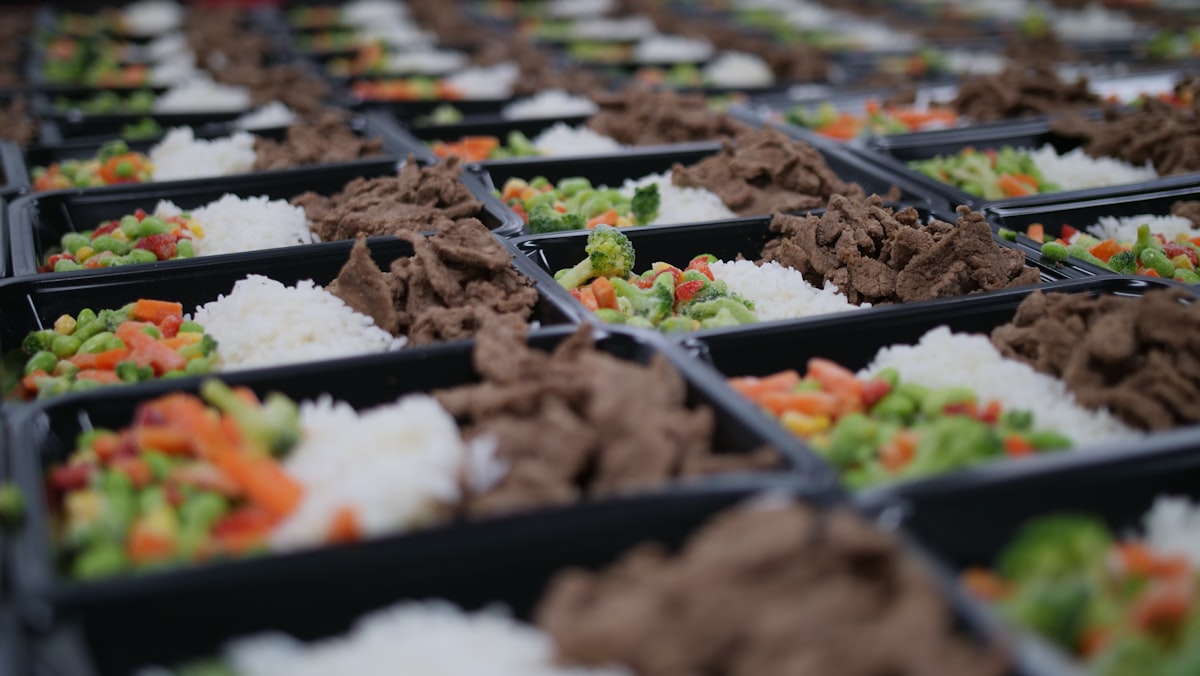
Colorful Vegetable Stir-Fry
Vibrant mix of seasonal vegetables with tofu or lean chicken, served over brown rice. This recipe demonstrates how to create satisfying dishes loaded with nutrients while managing portion sizes thoughtfully.
Explore recipe →
Herb-Roasted Chicken Dinner
Tender roasted chicken breast seasoned with fresh herbs, paired with roasted sweet potato and massaged kale salad. This complete meal balances lean protein with vegetables and whole food carbohydrates.
Explore recipe →
Hearty Lentil Soup
Warm, nourishing soup packed with legumes, vegetables, and aromatic herbs. Lentils provide plant-based protein and resistant starch, both valuable for sustained energy and digestive wellness.
Explore recipe →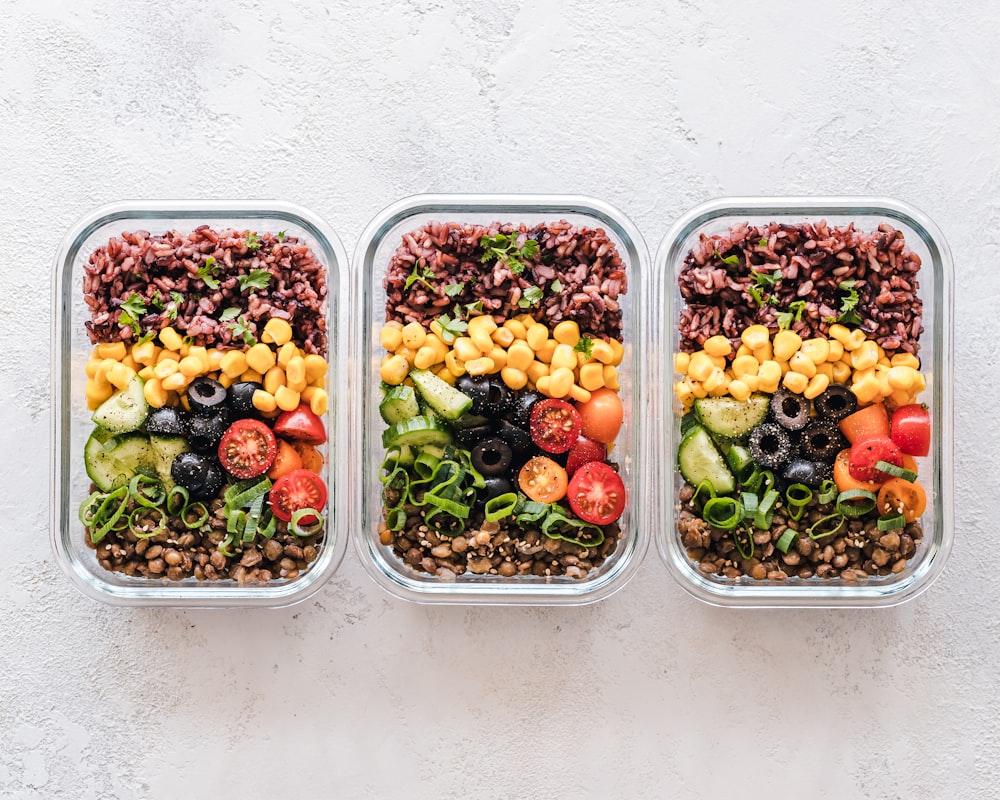
Baked White Fish with Vegetables
Delicate white fish fillets baked with lemon and herbs, accompanied by colorful roasted vegetables. This simple, elegant preparation highlights how minimal processing techniques create maximum flavor and nutritional value.
Explore recipe →
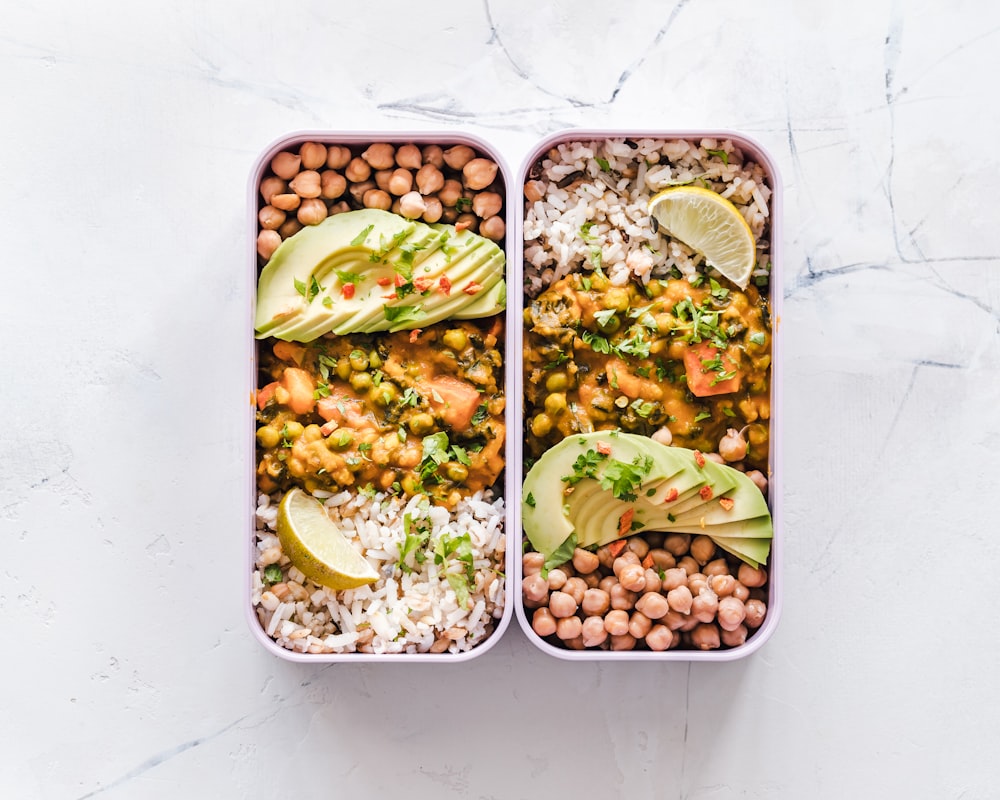
Nourishing Buddha Bowl
Artfully arranged bowl combining leafy greens, roasted chickpeas, raw and cooked vegetables, and creamy tahini dressing. This meal demonstrates how to create visually appealing, nutrient-dense plates that satisfy hunger and delight the palate.
Explore recipe →Key Benefits Comparison
| Benefit | Traditional Approach | Diabetes-Friendly Culinary Method |
|---|---|---|
| Flavor Profile | Often relies on sugar and salt for taste | Develops complex flavors through herbs, spices, and cooking techniques |
| Satiety | Can lead to blood sugar spikes and energy crashes | Balanced meals provide sustained energy and reduced hunger between meals |
| Nutrient Density | May contain excess refined carbohydrates and added fats | Emphasizes whole foods and nutrient-rich ingredients |
| Preparation Time | May rely on convenience foods and quick shortcuts | Efficient techniques reduce weekday cooking time while maintaining quality |
| Long-term Sustainability | Restrictive approach often leads to difficulty maintaining changes | Flexible, knowledge-based approach that accommodates preferences and lifestyle |
| Enjoyment | May feel deprived or limited in food choices | Discover diverse, delicious foods that align with wellness priorities |
Frequently Asked Questions
What makes a meal "diabetes-friendly"?
A diabetes-friendly meal contains a balance of protein, healthy fats, and complex carbohydrates with adequate fiber. These components work together to produce more gradual, stable energy levels and support sustained satiety. Rather than eliminating food groups, the approach focuses on thoughtful selection and preparation of whole foods.
Do I need special equipment or expensive ingredients?
No. Our program emphasizes working with basic kitchen tools and whole foods available at ordinary grocery stores. A good knife, cutting board, and basic pots and pans are sufficient. Success comes from technique and knowledge rather than specialized equipment or premium ingredients.
How do I adapt family recipes I've always made?
Our educational framework teaches substitution principles and cooking adjustments that maintain the essence of beloved dishes. You'll learn how to reduce refined carbohydrates, add vegetables, modify cooking methods, and adjust seasonings. Many recipes improve when adapted with these techniques.
How much time does meal planning typically require?
Most people find that 1-2 hours on a designated planning day allows them to organize the week's meals and prepare ingredients in advance. Once you develop a system using our templates, the process becomes increasingly efficient. The time invested reduces daily cooking stress and ensures consistent access to prepared foods.
Can I eat restaurant meals while following these principles?
Absolutely. Understanding principles of nutrition and food preparation empowers you to make informed choices when dining out. You'll learn to evaluate menus, identify ingredient combinations that support your goals, and communicate preferences to restaurant staff. The knowledge becomes a tool for flexibility rather than restriction.
What's the difference between this approach and fad diets?
This program teaches foundational knowledge about nutrition and cooking technique that you apply flexibly throughout your life. Rather than following rigid rules, you develop understanding that allows adaptation to changing circumstances, preferences, and needs. The focus is on sustainable, enjoyable eating patterns rather than temporary restrictions.
What Our Readers Experience
"Learning these cooking techniques transformed how I approach meal preparation. I now feel confident adapting recipes and creating meals that taste delicious while supporting my wellness goals. The step-by-step approach made everything accessible."
— Anna K., Kraków
"I appreciate that this program focuses on real food and practical techniques rather than restrictions or complicated rules. My family enjoys the meals I prepare, and I feel good about the choices we're making together. The meal planning templates save me time every week."
— Marek T., Warsaw
"The educational content helped me understand how different foods affect my energy throughout the day. I've discovered so many recipes I genuinely enjoy, and the cooking techniques have become part of my everyday routine. This feels sustainable rather than restrictive."
— Patrycja L., Łódź
Ready to Explore Diabetes-Friendly Cooking?
Discover comprehensive articles, practical recipes, and expert guidance for mastering the culinary skills that support stable energy and wellness.
For content inquiries or feedback, contact us at [email protected]